|
New Publication: Engineering Structures| Sibo Chai and Yiran Jiang published Programmable Bistability of Curved-Crease Origami Polyhedron
From: Date: 2026-02-26 Deployable polyhedral structures have demonstrated broad application prospects in aerospace, architectural structures, and soft robotics owing to their geometric regularity and high volumetric folding ratios. Among these, the transformation between regular convex polyhedrons, particularly Platonic and Archimedean solids, remains a fundamental challenge in the field. Existing deployable designs predominantly rely on linkages or kirigami mechanisms, which struggle to maintain a closed and continuous surface during folding. This not only limits their applicability in enclosure and environmental protection scenarios, but also prevents configuration locking at target states without external loading. Curved-crease origami, which deforms via both crease folding and panel bending, offers a broader geometric design space than straight-crease origami while combining flexibility with load-bearing capacity, presenting a promising avenue for innovative deployable polyhedral design. Recently, the research group of Prof. Jiayao Ma from the School of Mechanical Engineering at Tianjin University introduced curved-crease origami into deployable polyhedral design. By establishing a systematic geometric compatibility analysis framework, they achieved programmable bistable snapping between two fully enclosed configurations, a truncated octahedron (an Archimedean solid) and a regular octahedron (a Platonic solid). The related findings were published online on February 18, 2026, in the journal Engineering Structures, under the title "Programmable bistability of curved-crease origami polyhedron." The corresponding author is Prof. Jiayao Ma of Tianjin University. The co-first authors are Ph.D. student Sibo Chai and graduated bachelor's student Yiran Jiang (currently a Ph.D. student at Shanghai Jiao Tong University). Professor Zhong You of the University of Oxford also made important contributions to this research. The study was supported by the National Natural Science Foundation of China (Projects 52422502, 524B2048, 52375022, 52192631).
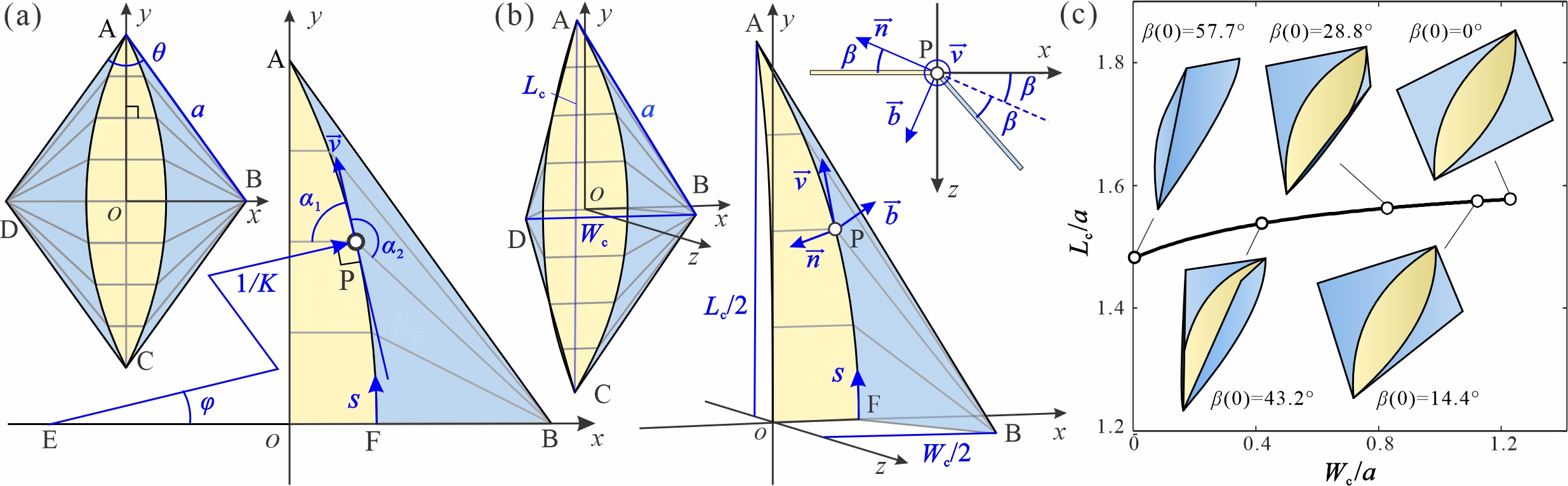
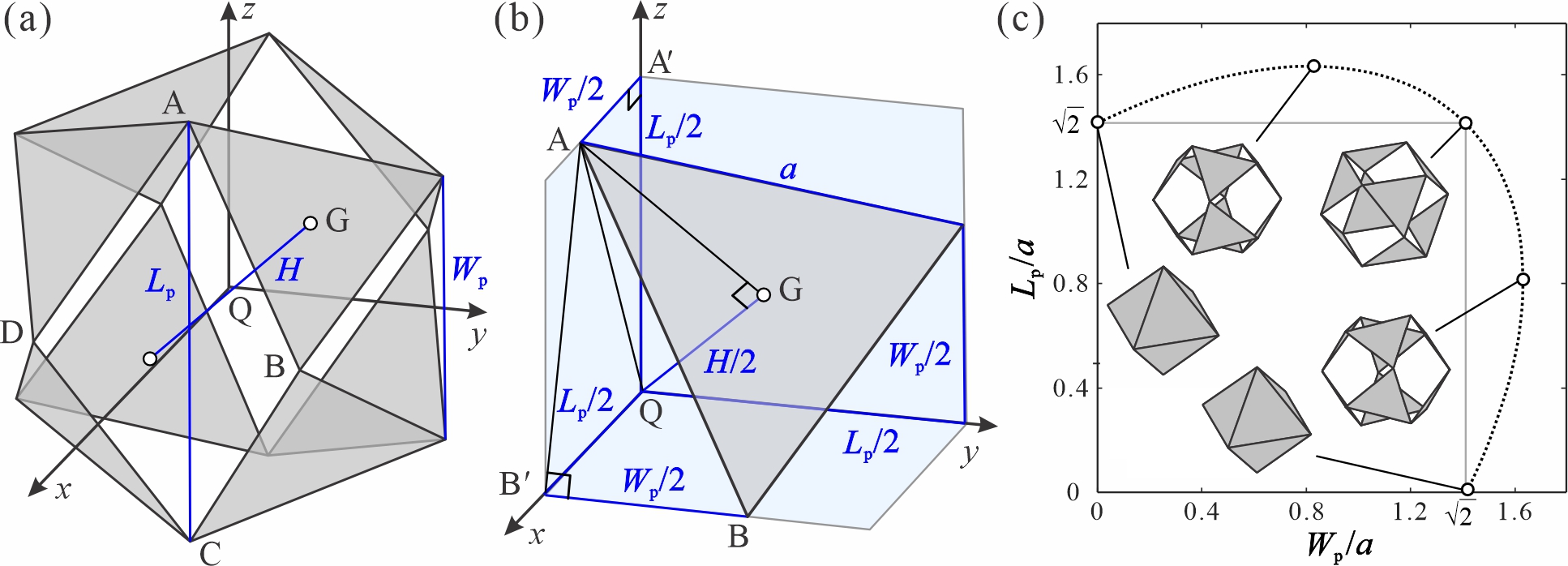
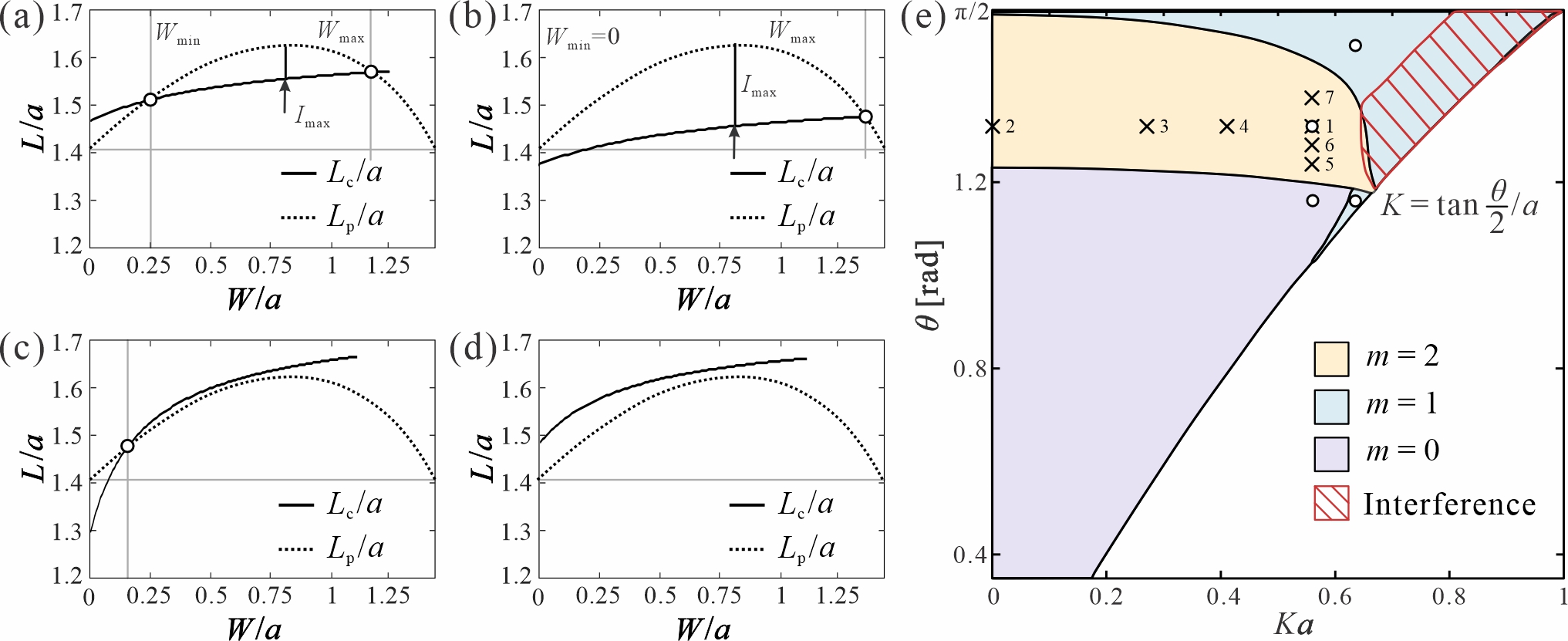
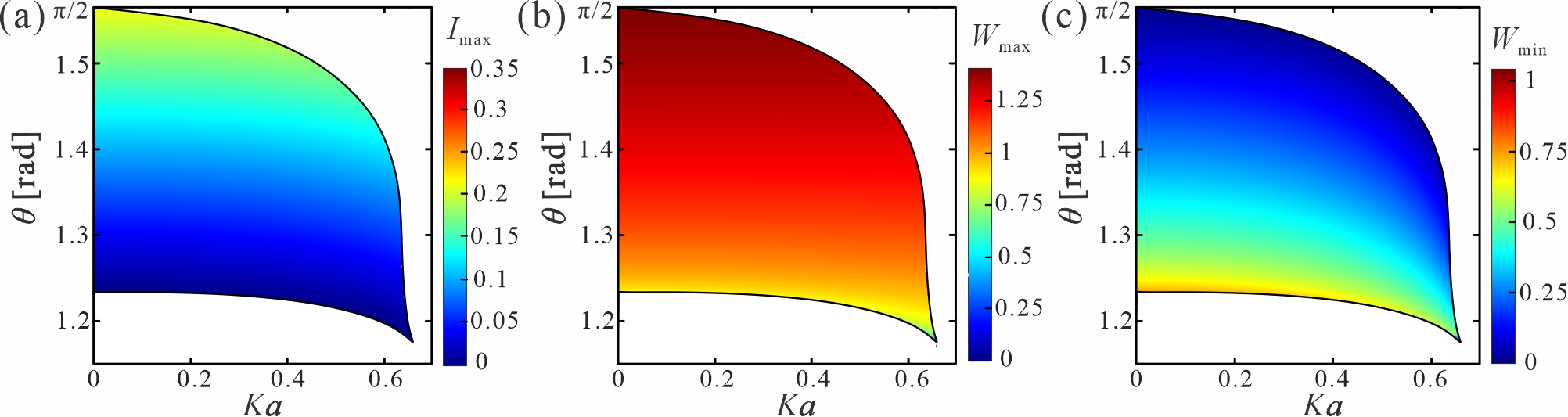
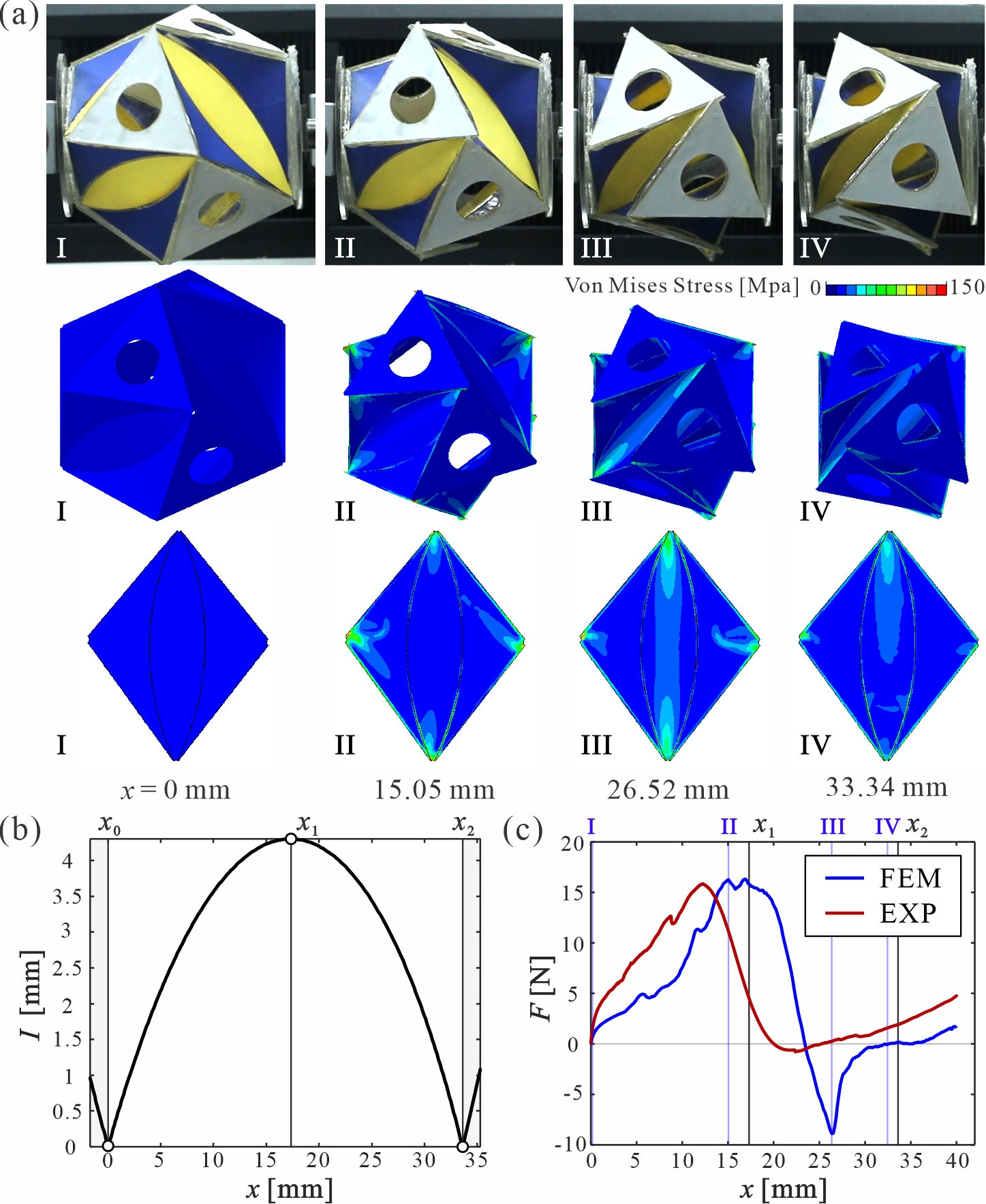
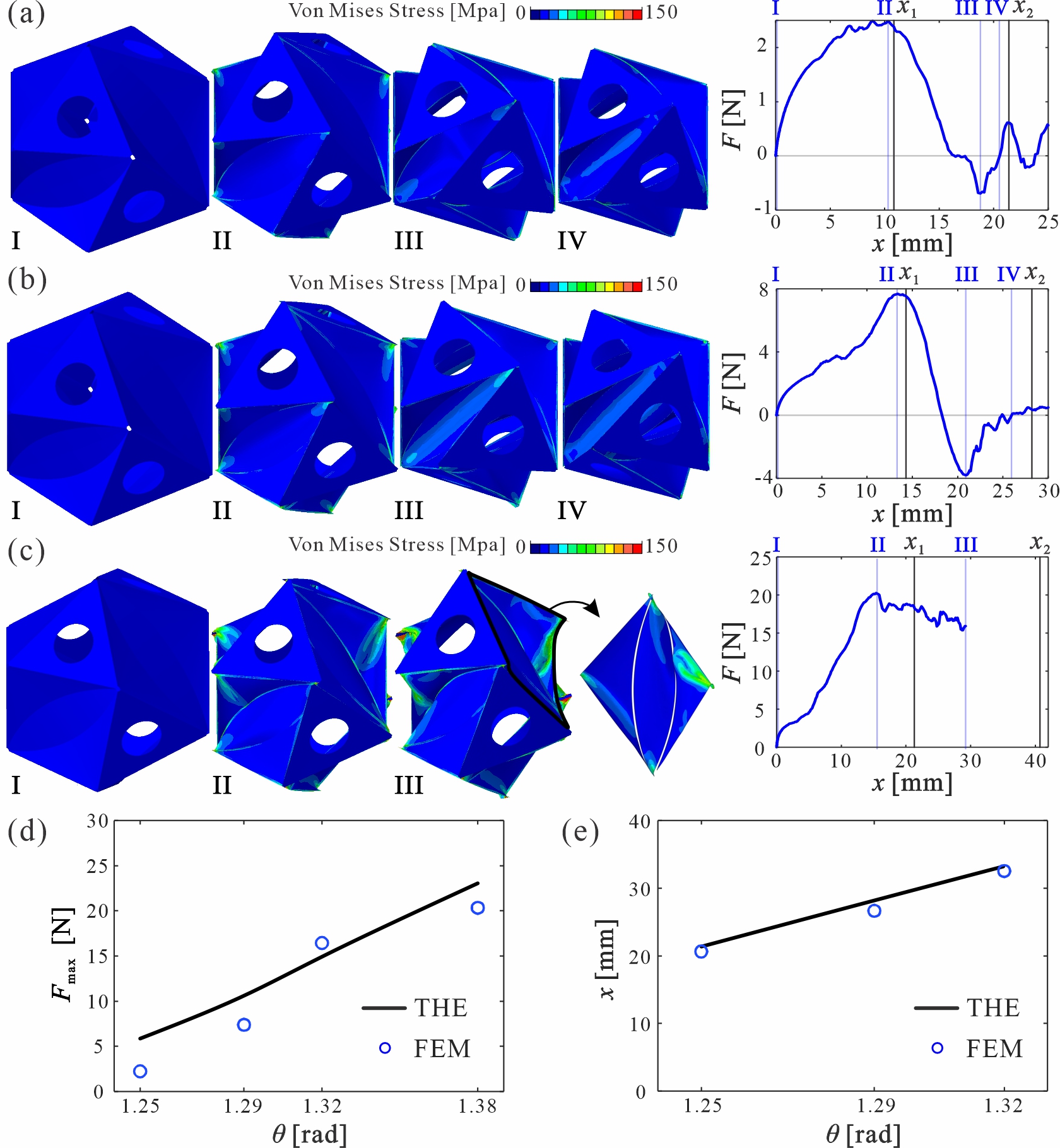
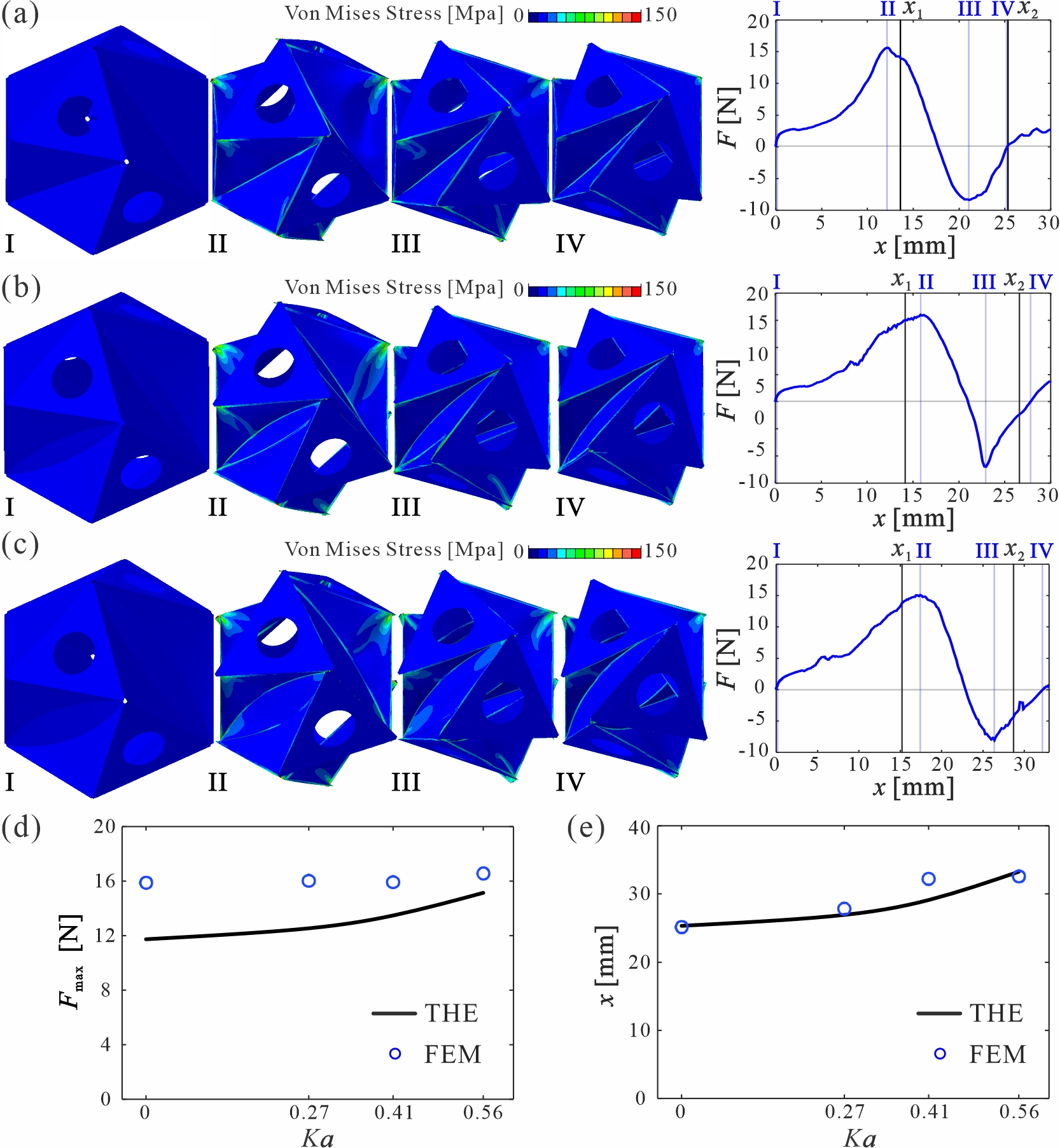
Movie: Geometric construction and bistable behavior of the curved-crease origami polyhedron The curved-crease origami polyhedron is constructed by assembling six curved-crease origami (CCO) units within an open polyhedral framework. Each CCO unit features a diamond-shaped boundary subdivided by two symmetrical circular curved creases into a central lens-shaped panel and two wing panels (Fig. 1). Under the boundary constraints imposed by the rigid polyhedral framework, the CCO units undergo isometric deformation along the creases, forming a single-parameter deformation family consisting of two conical surfaces and one cylindrical surface. A folding kinematics model based on differential geometry theory is established, clarifying the evolution of the longitudinal and transverse diagonal lengths of the unit with respect to the folding angle. The polyhedral framework comprises eight identical equilateral triangular panels, hinged at their vertices, with side lengths consistent with those of the CCO units (Fig. 2). By establishing the geometric correspondence, a single-degree-of-freedom folding kinematics model of the framework under orthogonal symmetry constraints is developed, revealing the complete folding path from a truncated octahedron to a regular octahedron, from which analytical expressions for the two diagonal lengths of the framework are derived. Fig. 1. Geometric parameters and folding kinematics of the CCO unit Fig. 2. Geometric parameters and folding kinematics of the polyhedral framework By correlating the kinematic curves of the CCO units and the polyhedral framework, a geometric incompatibility coefficient is defined as the normalized difference in longitudinal diagonal lengths between the two components at the same transverse diagonal length, quantifying the degree of kinematic mismatch between them (Fig. 3). Based on the intersection characteristics of the kinematic curves, the design parameter space is classified into four categories: a bistable type with two intersection points; a quasi-stable type with a single intersection point but two local minima in the geometric incompatibility coefficient; a monostable type with a single intersection point and a monotonically varying incompatibility coefficient; and an unassemblable type with no intersection points. To achieve the desired bistable behavior, within the parameter range of the bistable type, varying the sector angle and crease curvature of the CCO unit enables broad programmability of the maximum geometric incompatibility coefficient, the folding displacement corresponding to this maximum, and the location of the second stable state intersection point (Fig. 4), thereby establishing a theoretical foundation for the programmable bistable design of curved-crease origami polyhedrons. Fig. 3. Geometric compatibility analysis of the curved-crease origami polyhedron Fig. 4. Parameter distribution of the three compatibility metrics within the bistable design region The bistable behavior of the curved-crease origami polyhedron was further validated through a combination of experimental testing and numerical simulation (Fig. 5). The experimental and numerical results show that geometric incompatibility during folding induces a tensile constraint from the polyhedral framework on the CCO units along the longitudinal direction, causing the initial curved creases to gradually become ineffective and ultimately forming a virtual straight crease along the longitudinal direction of the central panel. This virtual crease disappears once the structure snaps through to the second stable state, representing the dominant deformation mode by which the structure accommodates geometric incompatibility. Furthermore, comparing the evolution of the geometric incompatibility coefficient with the compressive load–displacement curve reveals that the peak of the force–displacement curve precisely corresponds to the maximum of the geometric incompatibility coefficient, while the equilibrium position of the second stable state coincides with the zero point of the incompatibility coefficient. This correspondence confirms that geometric incompatibility is the governing mechanism driving the bistable snap-through behavior of the curved-crease origami polyhedron. Fig. 5. Bistable behavior of the curved-crease origami polyhedron Fig. 4. Parameter distribution of the three compatibility metrics within the bistable design region Furthermore, a systematic parametric analysis was conducted for the two key geometric parameters, the sector angle and the crease curvature (Figs. 6 and 7), further revealing a significant correlation between the initial peak force and the maximum geometric incompatibility coefficient. Given the notably different sensitivities of the initial peak force and stable state positions to variations in these two parameters, an approximately independent programming strategy for the bistable behavior of the curved-crease origami polyhedron is proposed: the sector angle is first selected to determine the initial peak force, after which the crease curvature is independently adjusted to program the position of the second stable state without significantly affecting the peak force. This strategy provides a systematic framework for the customized design of programmable bistable responses in curved-crease origami polyhedrons. Fig. 6. Influence of the sector angle of the CCO unit on bistable behavior Fig. 7. Influence of the crease curvature on bistable behavior In summary, this work integrates curved-crease origami units with a rigid polyhedral framework and proposes a deployable polyhedral design strategy based on geometric incompatibility. It achieves, for the first time, bistable snap-through transformation between fully enclosed configurations of a truncated octahedron and a regular octahedron, and establishes a programmable control mechanism for the initial peak force and the positions of stable states. This design strategy can be extended to a broader range of deployable polyhedral structures and origami metamaterial systems, laying a theoretical foundation for innovative designs in deployable space structures, recoverable energy absorption devices, soft robotics, and other frontier applications.
Sibo Chai#, Yiran Jiang#, Zhong You, Jiayao Ma*. Programmable bistability of curved-crease origami polyhedron. Engineering Structures, 2026, 353, 122374. |